How to create a market research plan with ChatGPT prompts

You can create a market research plan with ChatGPT prompts by turning your idea into clear assumptions about your customers, competitors, demand signals, and pricing, then using ChatGPT to generate a step by step checklist of what to verify with real-world sources like search results, reviews, forums, and quick surveys.
This is a DIY market research plan you can repeat for any side hustle or small business idea, even if you have a tiny budget and zero marketing background. You will use ChatGPT market research prompts to get organized fast, then validate the outputs with free tools so you are not building on guesses.
Turn a vague idea into a simple research plan you can actually finish
When you are testing a product or service, you simply need enough proof to answer three practical questions.
1. Will anyone buy thisß
2. Who exactly is it for?
3. Can I sell it at a price that makes sense?
A good plan saves you from two expensive mistakes: building for the wrong customer and underpricing because you never checked alternatives. If you are testing a side hustle, the goal is not perfect certainty. It is reducing risk fast so you can decide to move forward, pivot, or stop.
The biggest benefit of using ChatGPT here is speed and structure. It helps you list assumptions you did not realize you were making, like who the buyer is versus the user, or what people compare you to when they shop.
How the workflow turns an idea into testable assumptions

Think of ChatGPT as a planning assistant. The mechanism is simple.
1. You give ChatGPT your business idea and constraints.
2. In turn, it helps you generate educated guesses about:
- target customers
- pain points and jobs to be done
- competitors and substitutes
- demand signals and where to find them
- pricing expectations
3. You turn those ideas into a short list of things to verify outside ChatGPT.
Here is a repeatable workflow you can use every time.
1. Define the idea in one sentence.
2. Pick one target customer to start with.
3. Map the problem and what triggers buying.
4. Identify competitors and substitutes.
5. Collect demand signals and proof points.
6. Test pricing and willingness to pay.
7. Run quick outside verification and decide next action.
If you want, you can do all seven steps in one session, then spend one to two hours verifying the plan with free tools.
Use this master prompt first so ChatGPT knows what you are doing.
Prompt: Research plan generator
"Act as a market research assistant. I have a business idea and I want a step by step market research plan using ChatGPT. My idea is: [describe in 1 to 2 sentences]. My budget is: [0 to 200]. My timeline is: [days or weeks]. My location or market is: [country or city]. Output a simple research plan with sections for: target audience, competitors and substitutes, customer demand research, and pricing research. For each section, list: assumptions to test, 5 to 10 questions to answer, and where to verify outside ChatGPT."
Now you are ready to drill into each part with ready-to-copy prompts.
ChatGPT market research prompts for target customers and pain points
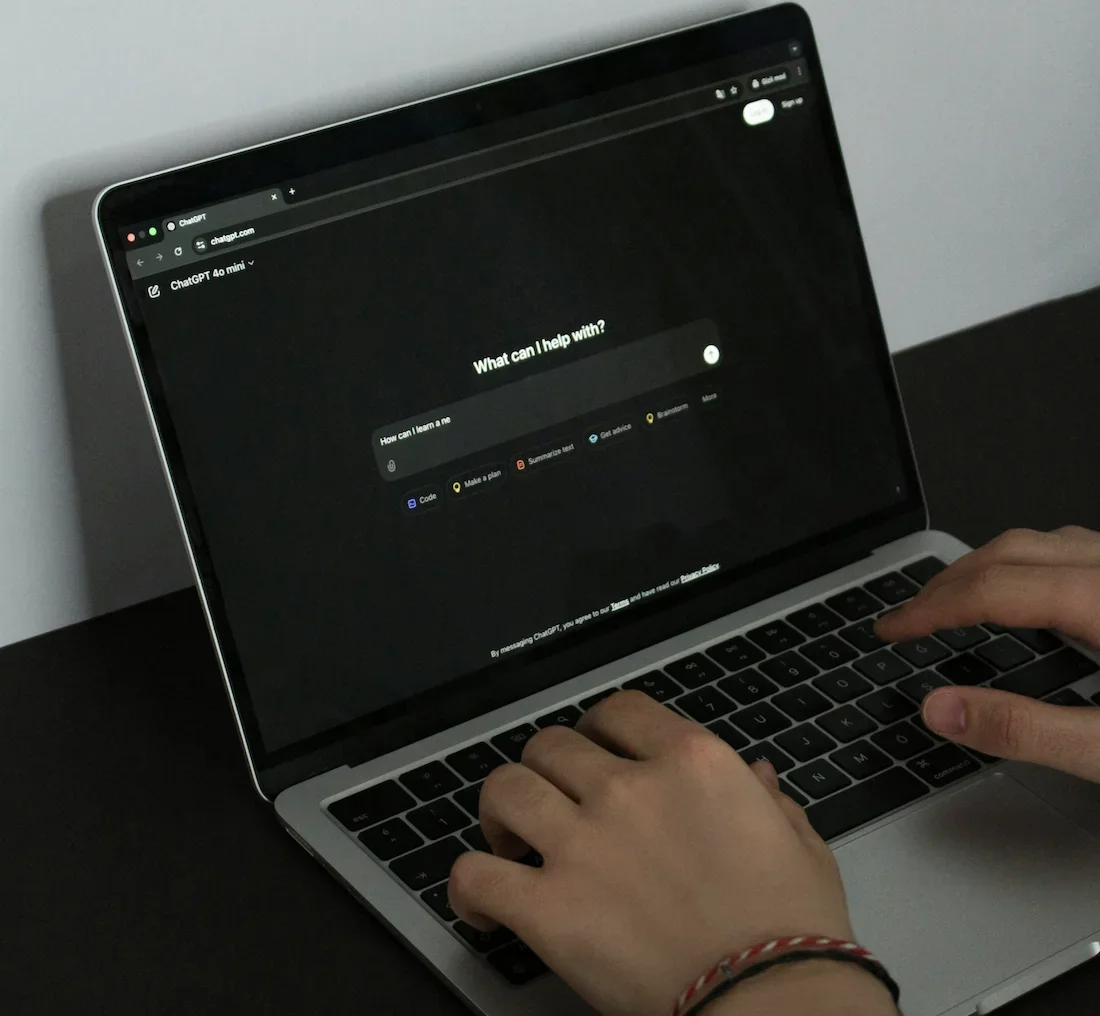
This is where most idea validation for small business succeeds or fails. If you pick the wrong customer, everything else gets fuzzy.
Start by forcing clarity: who is the buyer, what is their situation, and what problem are they trying to solve right now.
Prompt: Identify target customers and pain points
"Help me identify target customers and pain points for this idea: [idea]. List 5 possible customer segments. For each segment, include: a short description, what they are trying to achieve, the top 3 pain points, what they have tried already, and what would make them switch."
Then choose one segment to research first. Ask ChatGPT to turn it into a profile you can actually use.
Prompt: Pick one segment and make it specific
"For segment # [1 to 5], write a simple customer profile. Include: typical job or role, budget range, where they hang out online, what they search on Google, what they worry about before buying, and what would make them say yes quickly."
Now get the language customers use. This is gold for search queries, survey questions, and landing pages.
Prompt: Pull real-world phrasing
"Generate a list of 25 phrases this customer might type or say when looking for a solution like mine. Include: problem statements, comparison searches, and price-related searches. Make them sound like real people, not marketing copy."
Example: If your idea is "mobile bike repair that comes to your house," your phrases might include "bike tune up at home cost," "flat tire repair near me open now," or "bike repair pickup and delivery."
Finally, define what you need to learn before you build anything.
Prompt: Turn pain points into test questions
"Turn the top pain points for this customer into 10 test questions I can validate with reviews, forums, and a short survey. Keep them neutral and specific."
Customer demand research: signals, competitors, and pricing you can verify

ChatGPT can help you plan your customer demand research, but you still need to confirm demand with evidence. This section gives you prompts for competitors, demand signals, and pricing, plus a lightweight checklist of what to verify outside ChatGPT.
Competitors and substitutes (what people use instead)
You are not only competing with similar businesses. You are competing with doing nothing, using a cheaper workaround, or sticking with a familiar brand.
Prompt: Competitors and substitutes map
"List direct competitors and close substitutes for: [idea] in [market]. Include categories even if you cannot name brands. For each, explain: why customers choose it, typical price range, and the main tradeoffs."
Prompt: Differentiation that is not fluff
"Based on the competitor categories you listed, suggest 5 realistic differentiation angles for my idea. For each, include: who it appeals to, what proof I would need to claim it, and one risk or downside."
Common mistake: believing you have no competitors. Usually that means you have not defined the customer clearly enough, or you are ignoring substitutes.
Demand signals (where to look for proof)
ChatGPT can tell you where demand signals typically show up, then you go check them.
Prompt: Demand signals plan
"Create a demand signal checklist for my idea: [idea] and customer segment: [segment]. Include what to look for in: Google results, Google autocomplete, Reddit, Facebook groups, YouTube comments, TikTok, Amazon, Yelp, G2, and app store reviews. For each source, tell me what would count as strong evidence versus weak evidence."
Use the plan, then verify with this outside-ChatGPT checklist.
- Outside verification checklist (free or cheap):
- Search results:
- Are there businesses already advertising this exact service in your area.
- Do the top results look professional and active, or outdated.
- Are there "near me" results and map listings.
- Reviews (Google, Yelp, Amazon, G2, app stores):
- Repeated complaints that your idea could solve.
- Phrases like "wish they offered," "hard to find," "too expensive," "takes forever."
- Evidence of frequent purchases, not one-off novelty buys.
- Forums and communities (Reddit, Facebook groups, niche forums):
- People asking for recommendations.
- People describing the problem in detail.
- Threads where users share workarounds, meaning they are motivated.
- Basic surveys (10 to 30 responses is enough to learn something):
- Ask about the last time they had the problem.
- Ask what they tried and what they paid.
- Ask what would make them switch.
- Ask if they would want it in the next 30 days.
If you see consistent pain across multiple sources, you are getting closer to real demand.
Pricing (what you can charge and what people expect)
Pricing research is not about guessing a perfect number. It is about finding a plausible range and the pricing model that customers accept.
Prompt: Pricing model options
"Suggest 4 pricing models for this idea: [idea] for this customer: [segment]. For each, include: example price points, when it works best, and the most likely objection."
Prompt: Estimate a starting price range
"Based on comparable solutions and substitutes, propose a realistic low, mid, and high price range for [idea] in [market]. Explain what would justify each tier and what must be included."
Then confirm outside ChatGPT by checking competitor price pages, menus, marketplaces, and ads. If pricing is not public, look for clues in reviews like "worth the money" or "overpriced at $X."
A practical move is to test pricing with a tiny offer before you build the full thing. For example, a simple landing page with a waitlist and a posted starting price, or a limited first-week offer.
Common questions and edge cases

How to validate a business idea with ChatGPT and free tools if I have zero audience?
Use ChatGPT to identify where your target customers already gather, then do manual outreach in those places. You do not need followers, you need conversations.
Ask ChatGPT:
Prompt: Where can I find 50 people like this customer segment online and offline
"Where can I find 50 people like this customer segment online and offline. Include specific subreddits, Facebook groups, Discords, local associations, and job role communities. For each, suggest a respectful message template to ask 3 quick research questions."
Then use free tools to validate:
- Google search and Maps to confirm competitors exist.
- Reddit and group searches to confirm people talk about the problem.
- A Google Form survey shared in 2 to 3 relevant communities.
- Five short interviews by DM or phone. Even 10 minutes each helps.
How to estimate customer demand with ChatGPT for a side hustle without paying for research tools?
Use ChatGPT to generate demand proxies, then verify with observable signals like volume of discussions, frequency of complaints, and number of active competitors.
Ask ChatGPT:
Prompt: List 10 measurable demand proxies I can check for free in one afternoon
"For this idea list 10 measurable demand proxies I can check for free in one afternoon. For each proxy, tell me exactly how to check it and what thresholds would suggest low, medium, or high demand."
Good free demand proxies include:
- number of businesses offering it in your city
- number of recent reviews for those businesses
- how often people ask for recommendations in communities
- how many "comparison" searches you see in autocomplete
- how many people say they need it soon, like "this week" or "urgent"
This approach is not perfect, but it is enough to decide whether it is worth a small experiment.
What to do next
The key takeaway is that ChatGPT helps you turn a business idea into a set of testable assumptions, then your job is to verify them with real-world evidence from search, reviews, forums, and a tiny survey.
Next step: copy the "Research plan generator" prompt, run it on your idea, and commit to verifying just the first customer segment this week with 30 minutes of searches plus a 10 question survey.